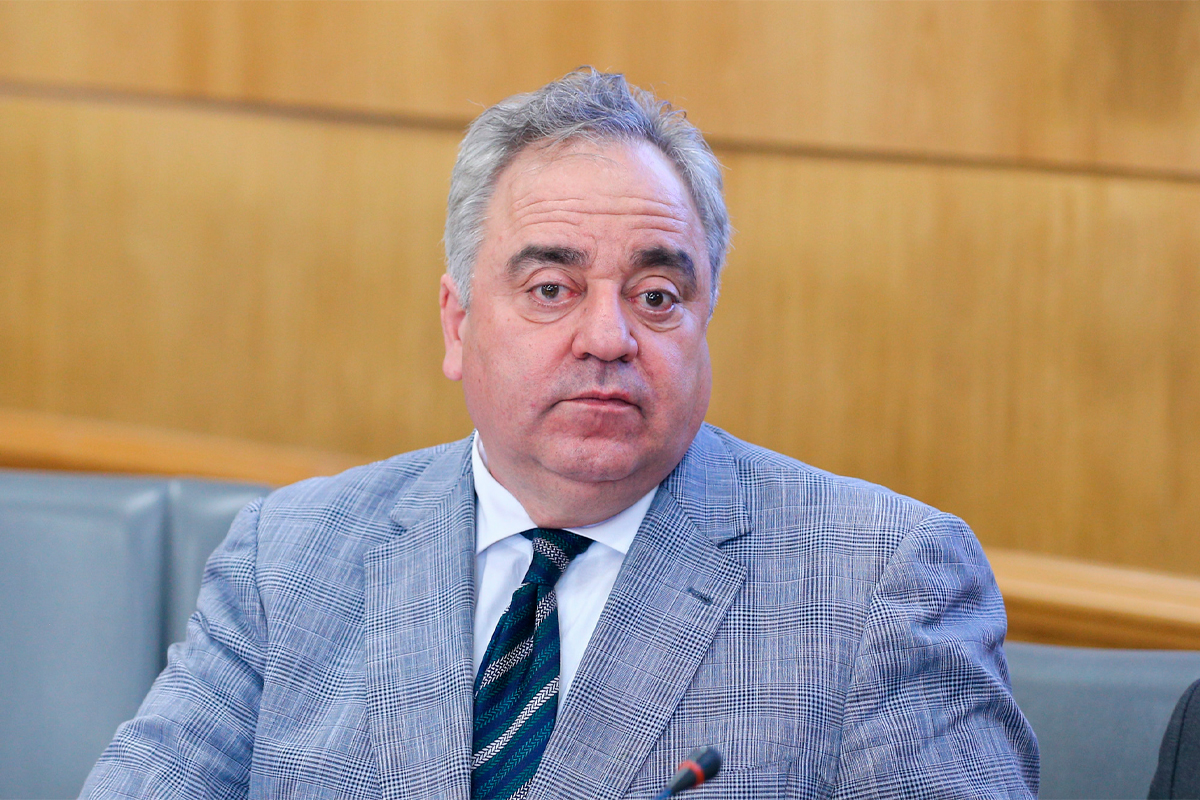
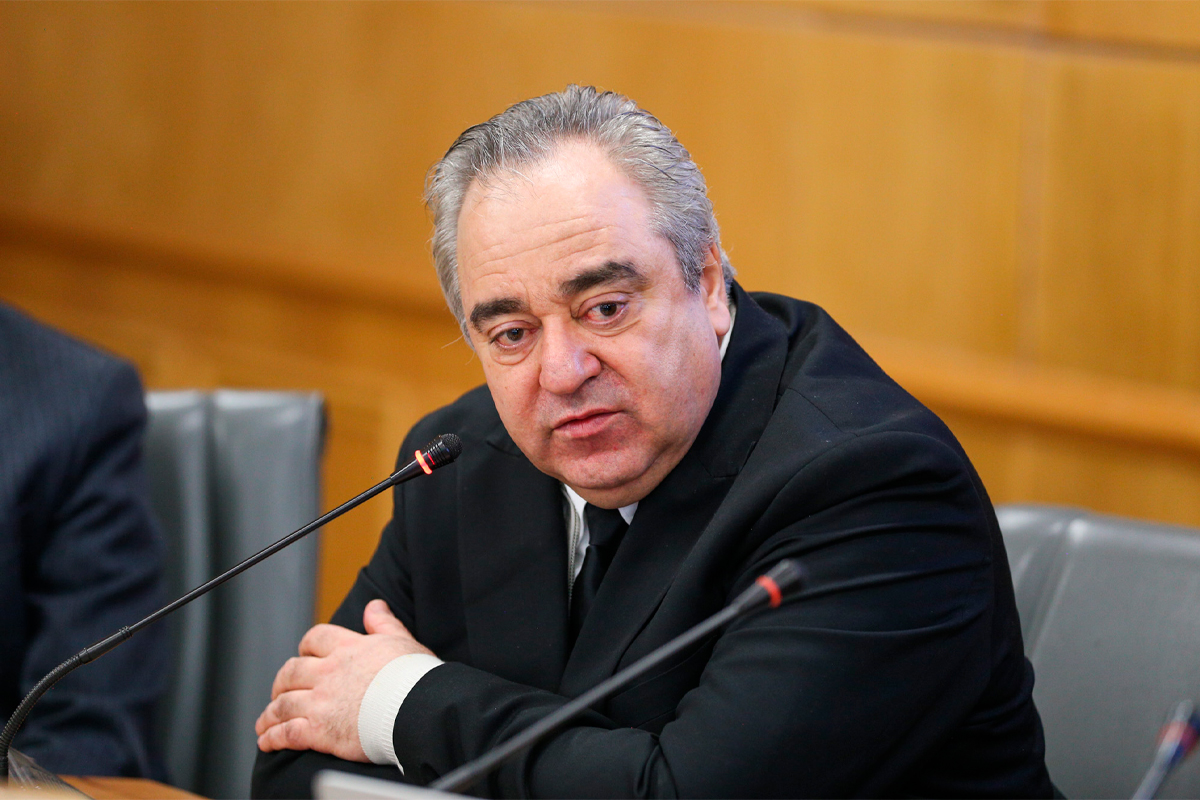
Citing the Public Relations Office of the Khorasan Razavi Chamber of Commerce, Industries, Mines and Agriculture, Ali‑Mohammad Shariati‑Moghaddam spoke on the sidelines of the Iran Expo 1404 – National Exhibition of Export Capabilities, highlighting the most critical obstacles to the country’s non‑oil export development.
He stated that Iran’s economic strategy too often involves passive observation of global changes — “we look at international data either indifferently or with regret instead of acting on it,” he noted.
“In contrast,” he said, “countries such as China, by deregulating trade and establishing free zones like Shanghai, have transformed their export structures. Similarly, though the post‑Soviet republics appeared destined for decline after the dissolution of the USSR, today many of them have achieved steady economic growth.”
Shariati‑Moghaddam lamented that Iran, once a pioneer in industries such as automotive manufacturing during the 1970s, has now become an importer of substandard vehicles.
He added that Iran has neglected investment potential in areas such as tourism, aviation, sports, and diverse industries, while neighboring countries like Saudi Arabia have committed hundreds of billions of dollars to develop smart cities and major strategic projects.
“In contrast, we remain entangled in sanctions and inadequate infrastructure just to maintain limited crude‑oil exports,” he said.
Referring to the Free‑Trade Agreement with the Eurasian Economic Union scheduled for implementation on May 14, 2025 (25 Ordibehesht 1404), Shariati‑Moghaddam underscored that the agreement offers vast possibilities, though its main threats are internal and structural.
“If we still face complex challenges in exports to nearby markets such as Afghanistan and Iraq — including issues with currency commitments, fund transfers, customs procedures, and infrastructure — such barriers will be even more serious in interactions with Eurasian states,” he warned, calling for “fundamental, systemic solutions.”
As Chairman of the Chamber’s Commission for Knowledge‑Based Economy, Digital Economy, and Artificial Intelligence, Shariati‑Moghaddam stressed that successful exports to Europe and advanced economies require full adherence to international standards in production, documentation, and transactions.
“This responsibility,” he said, “extends beyond the private sector; it fundamentally belongs to government authorities.”
He concluded that bridging this gap demands strong political will and decisive policymaking to create genuine opportunities for the private sector.
“If such determination emerges,” he affirmed, “Iran can overcome current constraints and even turn global trade and tariff reforms into new engines of progress.”
Original Title: The Key to Unlocking Eurasian Opportunities Lies in the Hands of Domestic Policymakers
Source: Khorasan Razavi Chamber of Commerce, Industries, Mines and Agriculture
Publication Date: April 28, 2025
Original Link: https://news.mccima.com/49899/