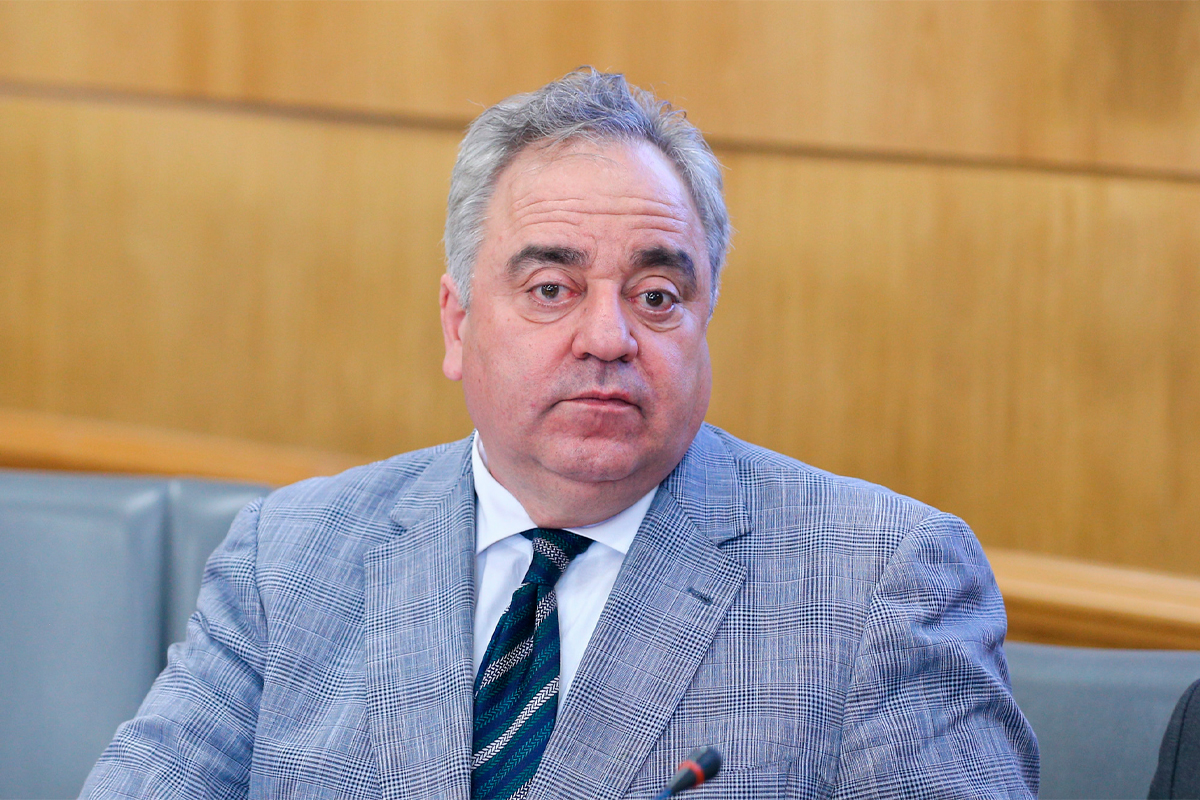
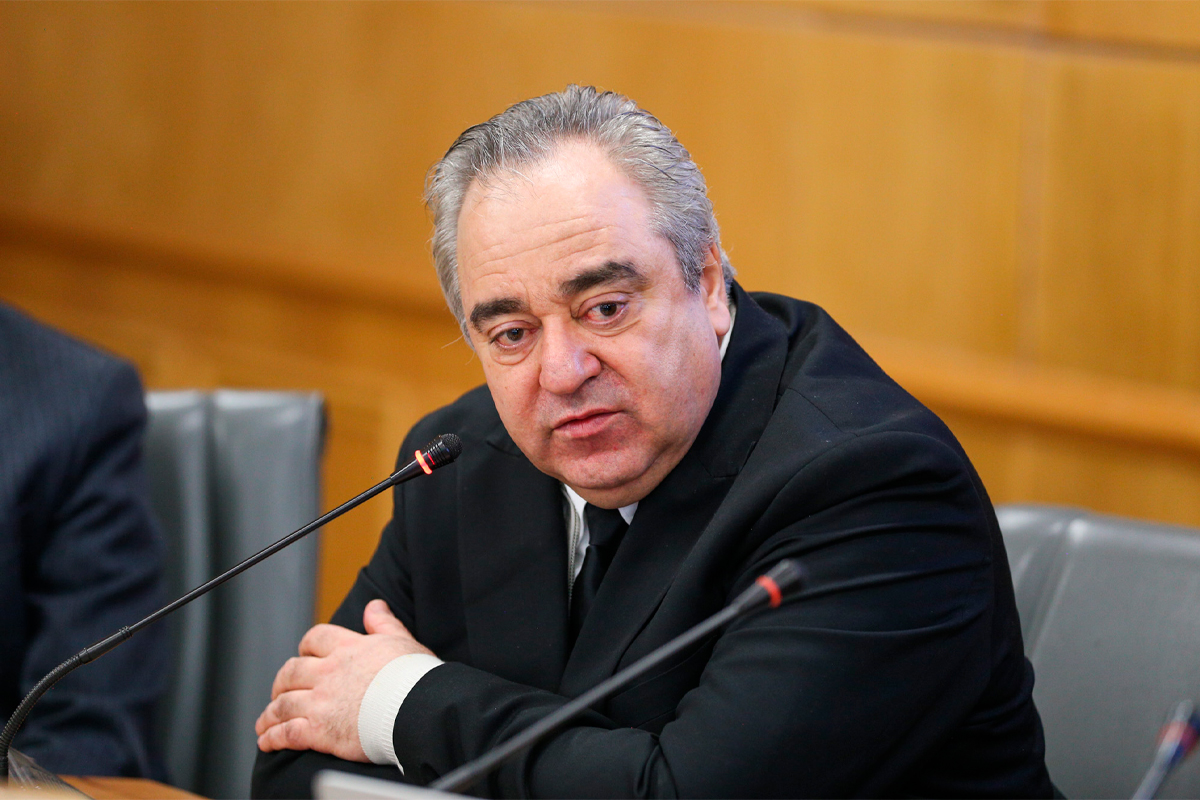
According to the personal information platform of Ali Shariati‑Moghaddam, quoting the Public Relations Office of the Khorasan Razavi Chamber of Commerce, events and expert meetings on the valuation of intangible assets in knowledge‑based companies must be conducted in a fully professional manner. Unfortunately, intellectual property valuation remains neglected in Iran, and there is a pressing need for broader cultural awareness. Accordingly, an event or specialized meeting on this subject will be held within the next two months, in cooperation with relevant associations and responsible organizations.
Shariati‑Moghaddam added that implementing a proper system for valuing the intangible assets of knowledge‑based companies will ensure that, once these firms are listed on the stock exchange, their true intellectual and intangible capital will be preserved and protected.
He noted that insufficient public understanding often undermines innovation and prevents society from fully leveraging the legal and economic frameworks available to knowledge‑based companies. In his view, the Khorasan Science and Technology Park should undertake further research on this matter.
Shariati‑Moghaddam also emphasized the need to design projects in alignment with the tables and budget lines of Iran’s 1404 national budget. To fully benefit from the legal capacities of the budget, projects must be defined according to the bill’s main chapters. He explained that an Advisory Council has been formed within the Trade Promotion Organization of Iran, composed of leading export award‑winning companies. One of the council’s key tasks is to develop projects that maximize the use of available legal capacities—such as establishing high‑tech industrial parks to enhance productivity within industrial zones.
He further addressed the need to guide budgetary expenditures toward value creation, noting that the government is responsible for infrastructure development. At the same time, certain state‑owned IT companies lack efficiency and would perform significantly better if transferred to the private sector. He proposed that the Khorasan Science and Technology Park and other relevant bodies identify such state‑owned IT companies and prepare the groundwork for their privatization.
Seyed Hassan Hashemi, Vice‑Chairman of the Knowledge‑Based Business and Digital Economy Commission of the Mashhad Chamber of Commerce, highlighted the Setareh Smart Electronic Collateralization System, designed to evaluate both tangible and intangible assets. The system has been approved by the National Digital Economy Taskforce. In its first phase, shareholders can use it to digitally collateralize assets in real time—interacting with the banking system online, without in‑person procedures, administrative delays, or typical bureaucratic paperwork.
Hashemi noted that the project has recently been reactivated and its committee members are undergoing restructuring. As a national project, it is essential for the Ministry of Economy and Finance representatives in the province to ensure that the region secures a role in shaping the future process of intangible asset valuation within this system.
He concluded by addressing the 1404 budget bill, stating that given the country’s current conditions, no factor will allow for an expansionary national budget. Therefore, the Chamber of Commerce must position itself as a fourth influential actor in the budgeting process and play an active role in policy advocacy.